


The Evolution of Education and Ideology in North Korean Classrooms
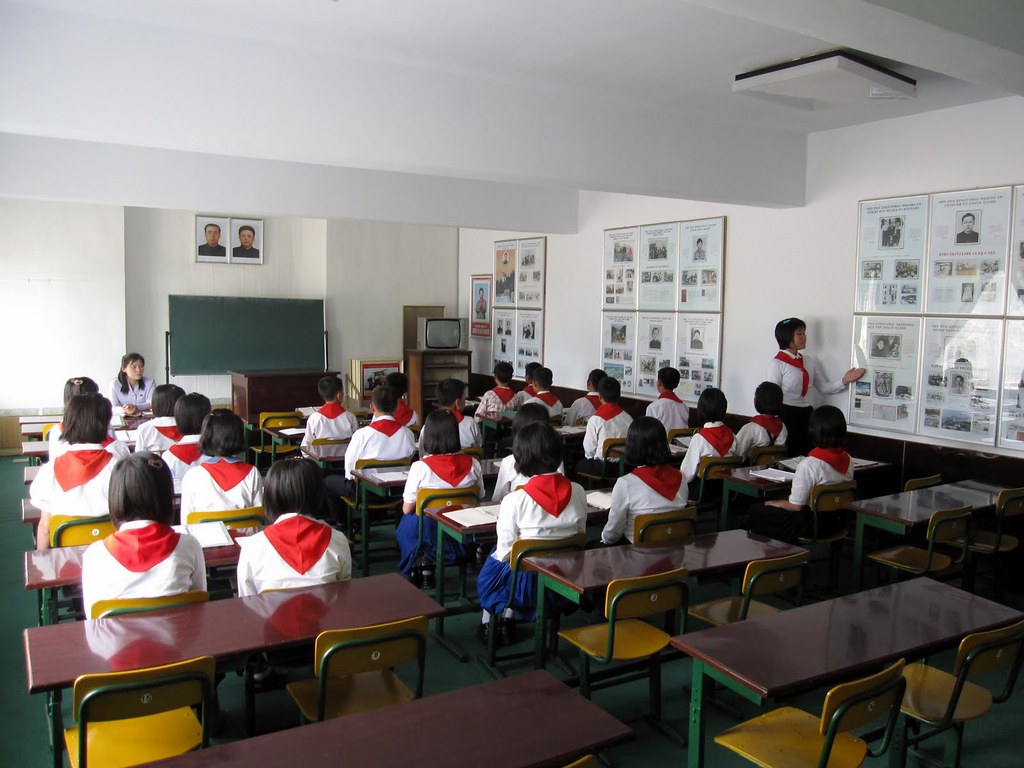
The educational landscape in North Korea has been undergoing a subtle but significant transformation over recent years. This change is captured poignantly in the evolution of the slogans displayed in classrooms, which reflect broader ideological shifts within the country. Gone are the traditional messages emphasizing the Korean "fatherland"; instead, new slogans directly celebrate the regime’s supreme leader, Kim Jong Un. This shift not only highlights changes in educational messaging but also marks a growing cult of personality around Kim.
Traditional Slogans and Their Significance
For decades, North Korean classrooms displayed slogans instilling a sense of collective duty toward the socialist fatherland. The longstanding phrase “Let’s always prepare for the socialist fatherland!” served as a rallying cry for young students, reinforcing loyalty to the state and its leaders. However, in 2015, this slogan was first updated to include Kim Jong Un’s name, framing him as a pivotal figure in the nation’s future. By 2018, the mantra further evolved to “Let’s always prepare for our Esteemed Father, Marshal Kim Jong Un,” showcasing an explicit dedication to the leader himself.
Interestingly, the original slogan still persists during major children’s union gatherings, illustrating a dual messaging strategy within the regime. While classrooms have shifted focus, larger state events maintain traditional slogans, suggesting an intentional separation between private indoctrination and public rhetoric.
A Political Maneuver: Capturing the Next Generation
This transformation in classroom slogans aligns with Kim Jong Un’s broader political strategy of indoctrinating the next generation. Since ascending to power, Kim has prioritized education as a means to shape young minds, viewing the children’s union as a vital support base for the regime. Under Kim Jong Il, this organization hosted one national rally, whereas it has conducted three during Kim Jong Un’s tenure. This commitment signifies an intention to embed loyalty and allegiance deep within the minds of the youth.
The regime’s focus on educational reform is not merely cosmetic. It represents a calculated effort to mold public perception and loyalty, as a new generation increasingly grapples with modern influences and evolving ideological frameworks.
The Impact of Societal Change
North Korea is currently navigating a complex societal landscape marked by the aftereffects of an economic crisis in the 1990s. This crisis has led to a shift from collectivist ideals towards a more individualistic mindset among North Koreans. Such transformations pose a challenge for the regime, which traditionally relied on collective slogans to galvanize public spirit.
Amidst this backdrop, the state has identified classrooms as critical venues for countering these emerging individualistic tendencies. With children exposed to market practices and foreign ideologies, the potential for ideological vacuum looms large. The regime’s replacement of traditional slogans with leader-centric messages primarily aims to fill this vacuum, ensuring that students’ daily environments consistently reinforce loyalty to Kim Jong Un.
Classrooms as Tools of Control
In essence, North Korean classrooms have evolved from mere educational spaces to battlegrounds for ideological control. The daily exposure of students to Kim-centric slogans weaves these messages into their routine, creating a pervasive atmosphere of loyalty from a young age. This transition signifies a strategic pivot, as the regime seeks to establish a direct connection between the leader and the youth, enhancing the leader’s personal sway over future generations.
Importantly, this focus on Kim Jong Un reflects a broader aim of solidifying the regime’s emotional ties with its citizens. The changing slogans symbolize a shift in control—from the collective identity of the "socialist fatherland" to a more personalized loyalty tied to Kim’s image. In a world where ideological clarity is increasingly contested, this transition complicates the relationship between the regime and its young citizens who navigate a landscape marked by exposure to varied influences.
In summary, the transformation of slogans within North Korean classrooms underscores an ongoing experiment in ideological indoctrination. This strategic shift reveals the regime’s determination to nurture allegiance and loyalty among future generations, demonstrating the profound intersection between education and political control in North Korea today.